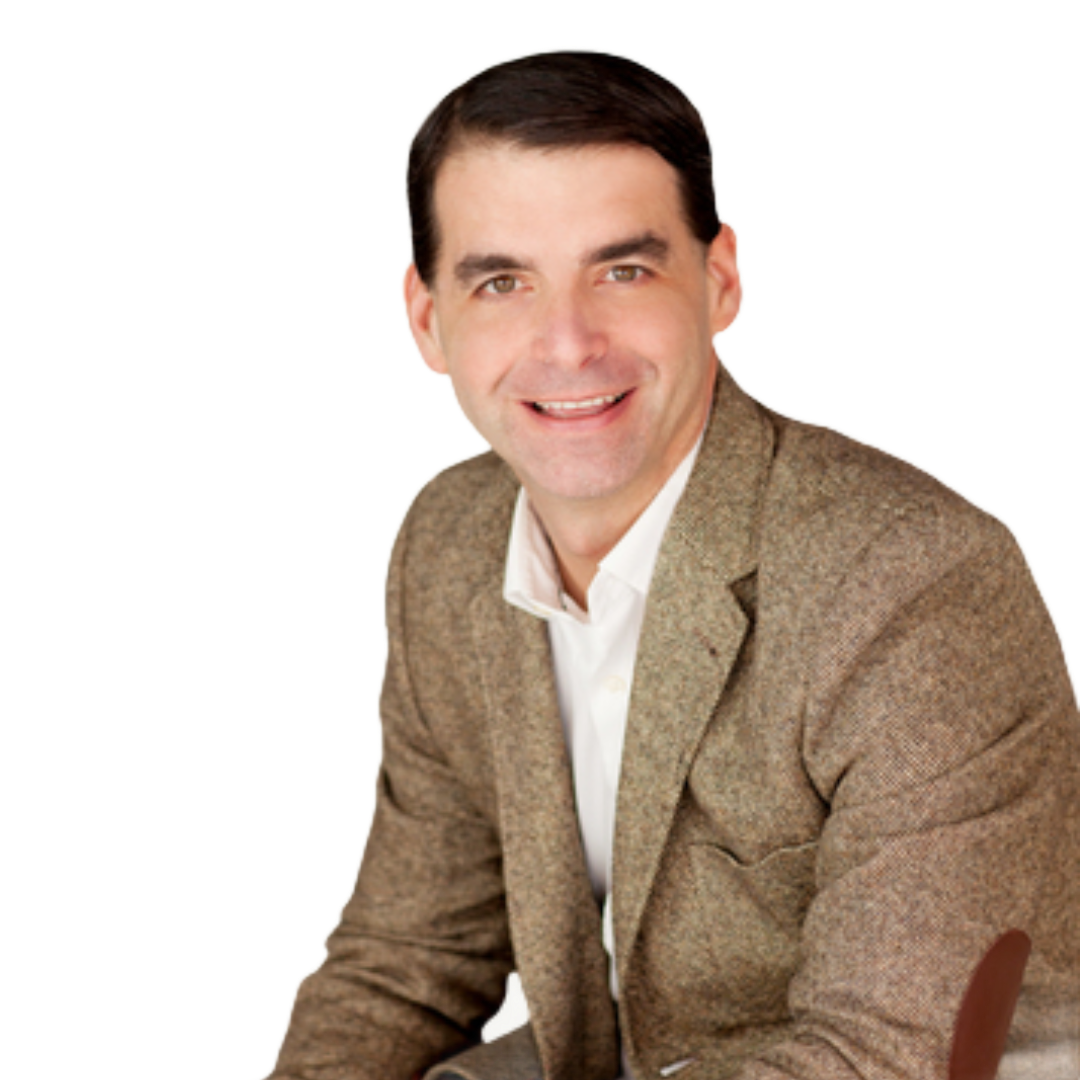
Dr. Charles Shuman
Founder · PsychiatristTrained at Temple University, the University of Florida and the University of Colorado, where he has also taught on the faculty. Founded Confluence in Denver in 2016.

Initial psychiatric evaluation
Therapy approaches
Board-certified psychiatrists
Treating patients in Denver since
The short version
THE APPROACH
Most people are sent two ways: a therapist who can’t prescribe, and a prescriber who doesn’t do therapy. The two rarely talk, and you end up carrying your own case between them. Here, one psychiatrist does both - so the medication and the therapy are planned together by someone who knows your whole picture.
Why that matters
When the same doctor prescribes and does the therapy, nothing gets lost in translation. A change in medication is made with the full context of what’s happening in your sessions, and the therapy is informed by how you’re responding to treatment. It’s one relationship, working in both directions.

Suitability
What happens
Comprehensive evaluation
A full assessment of your history from a biological, psychological, social and developmental angle. From that, you and your psychiatrist agree a plan - therapy, medication, or both.
Your sessions
Regular sessions that combine talking therapy with medication management as needed, using approaches matched to you: CBT, mindfulness, acceptance and commitment therapy, or existential work.
Adjusting the plan
Your psychiatrist tracks how you’re doing and adjusts both sides together, because they see both. No waiting on a separate prescriber to catch up.

WHAT WE TREAT
Conditions we work with
Depression and bipolar disorder, treated with therapy and medication planned together.
Including OCD, panic disorder and post-traumatic stress disorder.
Assessment and management as part of your wider care, not in isolation.
HOW WE WORK
The therapy we draw on
Practical work on the patterns of thought and behavior that keep you stuck.
Building awareness and distance from difficult thoughts and feelings.
Making room for what’s hard while moving towards what matters to you.
Working with the bigger questions of meaning, purpose, and change.
What happens
What it costs
Clear on cost before you commit.
Insurance: We’re moving to accept private insurance and credentialing is in progress. Ask on your call, and we’ll tell you exactly where it stands.
Questions
Straight answers to the questions we hear most.
No. Some people come for therapy alone, some for medication, some for both. What fits is worked out with you at the evaluation - nothing is pushed on you.
Your medication and your therapy are planned by the same person, with the full picture. Changes are made in context, nothing gets lost between separate providers, and you don’t have to keep re-explaining yourself.
Mainly CBT, mindfulness-based strategies, acceptance and commitment therapy and existential therapy. Your psychiatrist draws on what suits you rather than applying one method to everyone.
A full evaluation runs about an hour. Ongoing sessions are typically 25 or 55 minutes, depending on whether therapy is part of that visit. How often you meet is agreed with you.
Yes - alongside depression, anxiety, and bipolar disorder. Because it’s one practice, anything that overlaps is treated together rather than referred out.
We’re moving to private insurance, and credentialing is in progress. Tell us your situation on the call, and we’ll tell you where things stand.
Yes. Child and adolescent care is led by Dr. Nandakumar, who is fellowship-trained in this specialty. Please note that TMS treatment specifically is available for patients aged 15 and older.
Why us
Two board-certified psychiatrists and a whole practice behind your care, whichever treatment brings you in.

All ages
Children, adults, and teenagers seen by a specialist.

Physician led
board-certified psychiatrist, not a technician or NP.

Seen quickly
A psychiatrist calls back within 24 hours.

Clear on cost
You'll know the cost before you commit.

Care that adapts
The right treatment for you, from a full range.

Whole-picture care
Depression, anxiety, ADHD and addiction, one practice.

Board-certified psychiatrists. One of them will evaluate you and oversee your course personally.

Trained at Temple University, the University of Florida and the University of Colorado, where he has also taught on the faculty. Founded Confluence in Denver in 2016.

Fellowship-trained in child and adolescent psychiatry, and leads adolescent care at the practice.
Where the difference actually shows.


Treatments
Quick Links
Contact Us
Hours
Not sure where to start?
Depression, anxiety, OCD, PTSD, bipolar, ADHD, and addiction, and what we'd use for each.
Take the quiz
Ten questions on what you've tried and where you are now.
TALK TO US
Tell us what's brought you here and we'll get back to you, same day, Mon–Fri.