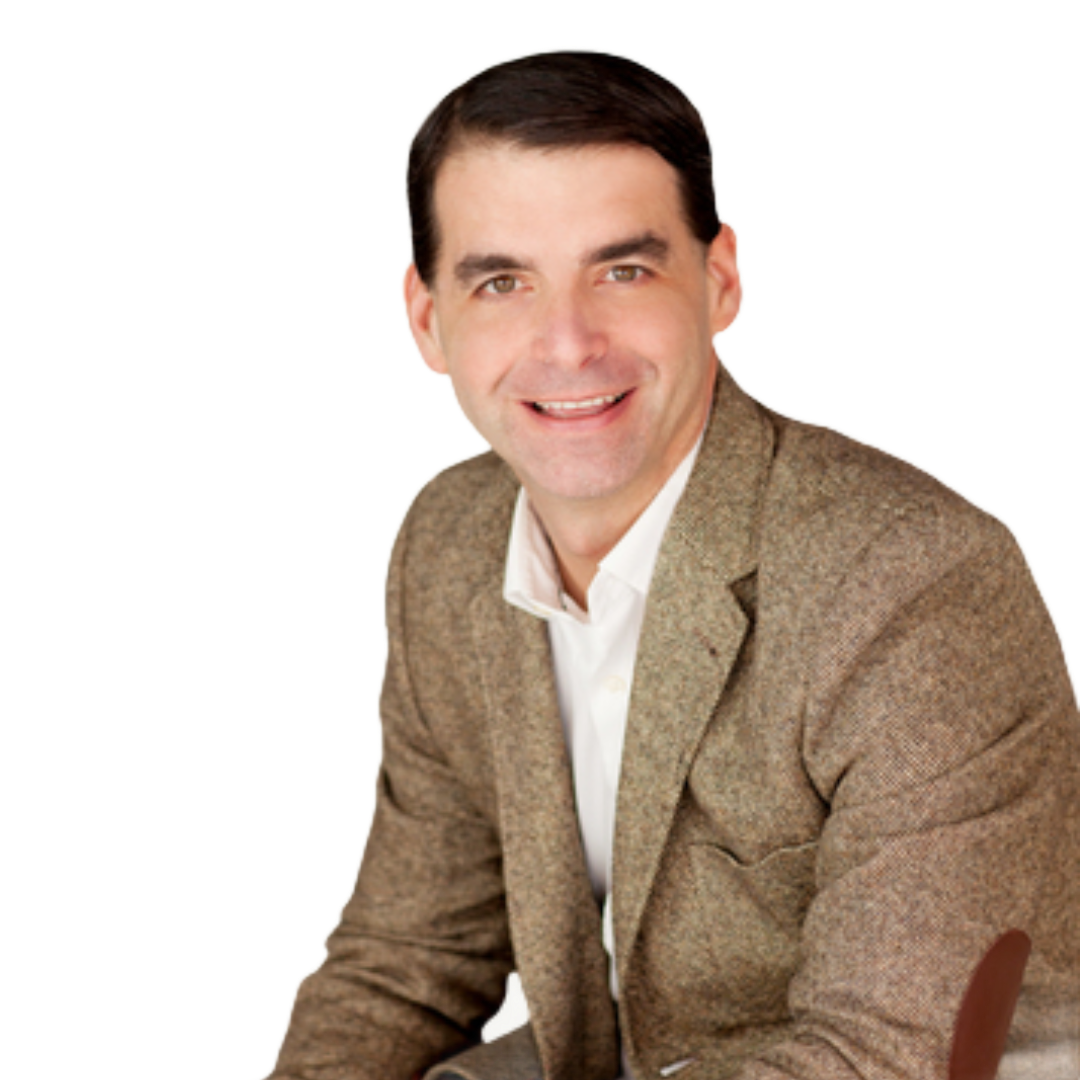
Dr. Charles Shuman
Founder · PsychiatristTrained at Temple University, the University of Florida and the University of Colorado, where he has also taught on the faculty. Founded Confluence in Denver in 2016.

Initial visit, incl. first treatment
Per follow-up treatment
Board-certified psychiatrists
Treating patients in Denver since
The short version
Rapid-acting treatment for depression, overseen by a psychiatrist.
Adults whose depression hasn’t improved on two or more antidepressants, or who chose not to take standard antidepressants.
The TREATMENT
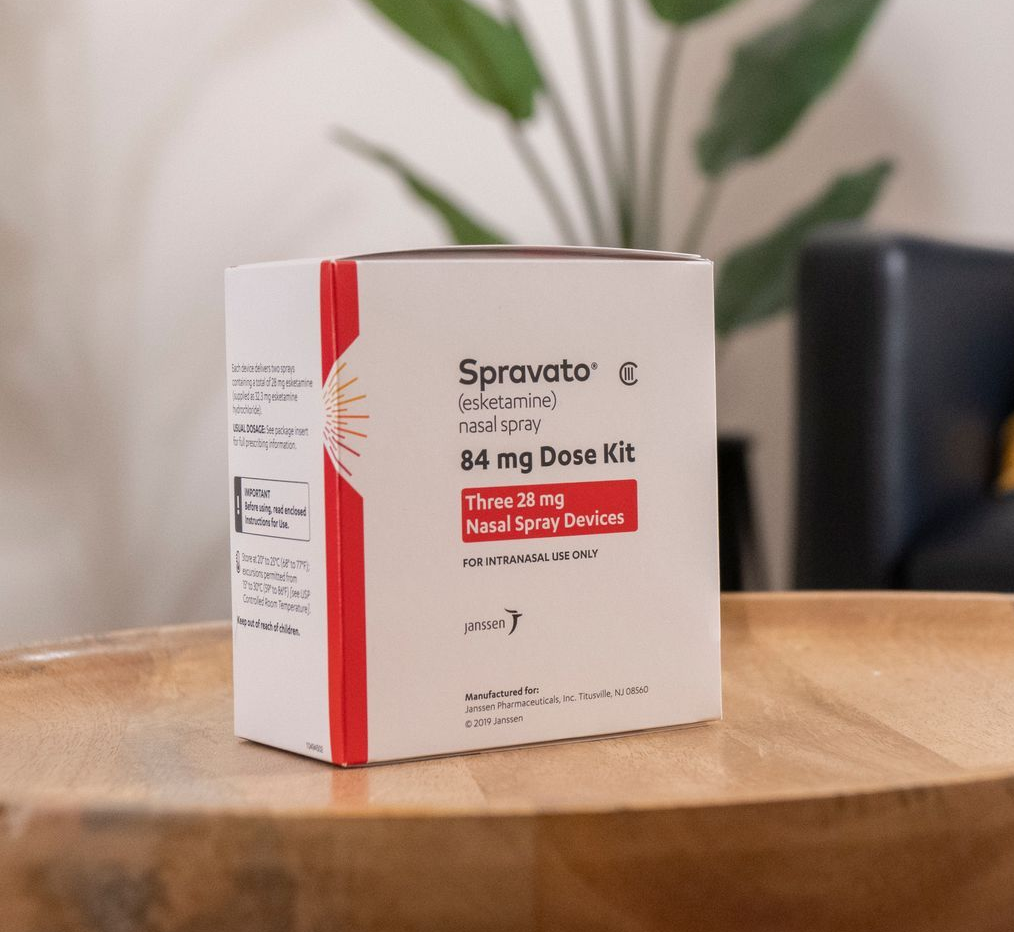
Both work on a different brain system than standard antidepressants, which is why they can help when other medications haven’t, and why they can work in days rather than weeks. Spravato (esketamine) is an FDA-approved nasal spray given in-clinic. Ketamine is given by infusion or injection. Both are delivered in a calm, monitored setting, and neither is something you take home.
How does it work?
Standard antidepressants take several weeks to work and sometimes months to reach the full benefit. Ketamine and esketamine act on glutamate and the NMDA receptor, helping the brain rebuild connections involved in mood. This is why they are associated with a rapid response rate, with many people noticing a shift within one to two weeks, far sooner than a new antidepressant. It doesn’t work for everyone, and your psychiatrist will review your response after the first few treatments before planning further.

Suitability
It isn’t right for everyone. We check all of this before anything is booked, and if it isn’t the right treatment for you, we’ll say so.
What happens
Evaluation
A full psychiatric evaluation confirms you’re a candidate and checks your history and blood pressure. Your psychiatrist talks you through which of the two treatments fits, and what to expect.
Your session
You’re in a calm, private room, monitored by clinical staff throughout. The experience can feel unusual for a short while and settles before you leave. You’ll need someone to drive you home.
Follow-up
Your psychiatrist reviews how you’re responding and adjusts the plan, including whether ongoing maintenance treatments make sense for you.

The equipment
We offer both Spravato and ketamine. Which one fits you depends on more than a checklist can capture - your history, your goals, how each is given, and what your insurance allows all play a part. Rather than having you weigh that up from a webpage, your psychiatrist talks it through with you and helps you choose the right one.
AN ADDED OPTION
If you choose it, a therapist can be in the room with you during treatment, so the experience is used as an opportunity for guided reflection rather than something you simply sit through. It isn’t required, and your psychiatrist will talk you through whether it suits you.
PRICING
What it costs
Clear on cost, before you commit.
Insurance: Ketamine treatments are not covered by insurance. Spravato may be covered, and credentialing is in progress, ask on your call and we'll tell you exactly where it stands.
Questions
Straight answers to the questions we hear most.
Many people notice a shift within one to two weeks, far sooner than a new antidepressant. It doesn’t work for everyone, and your psychiatrist will review your response after the first few treatments before planning further. We recommend discussing the choice between ketamine and Spravato with your provider during your consultation, as there are complex differences to consider.
Not for ketamine - it isn’t covered anywhere, so it’s self-pay. Spravato may be covered, and we’re working through credentialing. Say so on your call and we’ll tell you where things stand.
Both are given under clinical monitoring. The experience can feel unusual for a short while - a floaty or dream-like feeling is common - and it settles before you leave. Because of that, you can’t drive afterwards and will need a ride home.
Usually not. Most people continue their existing medication, and any changes are made by your psychiatrist as part of the evaluation.
Yes. We offer ketamine-assisted therapy, where a therapist is in the room with you during treatment to help you make use of the experience. It’s optional, and your psychiatrist will discuss whether it fits your goals.
The two suit different people, and the reasons are more nuanced than a quick summary does justice. That's a conversation to have with your psychiatrist, who'll weigh your history and your preferences and recommend the one that fits. Both work quickly and both are given under monitoring here.
It varies. Many people start with a short series of treatments close together, then move to occasional maintenance if it’s helping. Your psychiatrist plans this around your response rather than a fixed number.
No. You’ll need someone to drive you home after each treatment. Plan for that when you book.
It doesn’t work for everyone, and we’d rather say that plainly. The free call and the evaluation exist to filter out people who aren’t good candidates first. If it isn’t right, we’ll talk you through the other options here, including TMS and medication management.
Why us
Two board-certified psychiatrists and a whole practice behind your care, whichever treatment brings you in.

All ages
Children, adults, and teenagers seen by a specialist.

Physician led
board-certified psychiatrist, not a technician or NP.

Seen quickly
A psychiatrist calls back within 24 hours.

Clear on cost
You'll know the cost before you commit.

Care that adapts
The right treatment for you, from a full range.

Whole-picture care
Depression, anxiety, ADHD and addiction, one practice.

Board-certified psychiatrists. One of them will evaluate you and oversee your course personally.

Trained at Temple University, the University of Florida and the University of Colorado, where he has also taught on the faculty. Founded Confluence in Denver in 2016.

Fellowship-trained in child and adolescent psychiatry, and leads adolescent care at the practice.
Where the difference actually shows.


Ten minutes with a psychiatrist. No charge, no commitment, and an honest answer either way.
Treatments
Quick Links
Contact Us
Hours
Not sure where to start?
Depression, anxiety, OCD, PTSD, bipolar, ADHD, and addiction, and what we'd use for each.
Take the quiz
Ten questions on what you've tried and where you are now.
TALK TO US
Tell us what's brought you here and we'll get back to you, same day, Mon–Fri.