How TMS Works
A plain explanation of what transcranial magnetic stimulation does to treat depression.
On this page
The BASICS
What is TMS?
Transcranial Magnetic Stimulation (TMS) is a non-invasive treatment for depression and OCD. It uses focused magnetic pulses to stimulate the parts of the brain involved in mood.
There's no anesthesia, no surgery, and no medication, so nothing circulates through your body. It isn't electroconvulsive ("shock") therapy. TMS has been studied for depression since the 1980s and FDA-cleared for depression since 2008.
How it works
What the pulses actually do
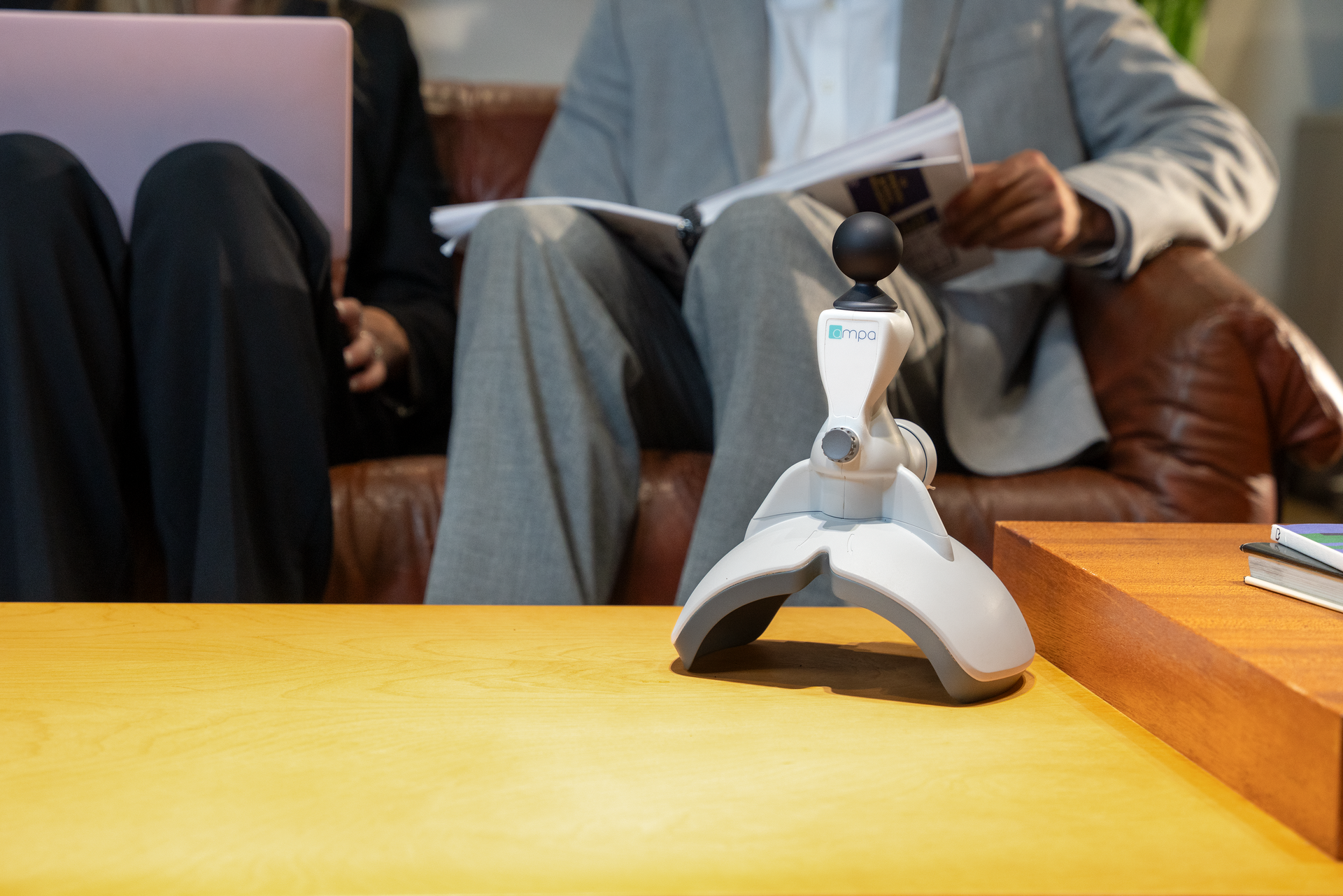
In depression, activity in a mood-regulating network near the front of the brain tends to drop. TMS targets that area and delivers repeated magnetic pulses that pass painlessly through the skull and prompt the nerve cells underneath to fire.
Do that consistently, across a course of sessions, and the brain begins to hold a healthier pattern of activity on its own, drawing on the same capacity to adapt and rewire that it uses to learn anything else.
A single session isn't the treatment. The change comes from repetition.
That's why a full course is spread across a number of visits.
Over a course
What a course of TMS looks like
No surprises. Here's the shape of it.
Evaluation and mapping
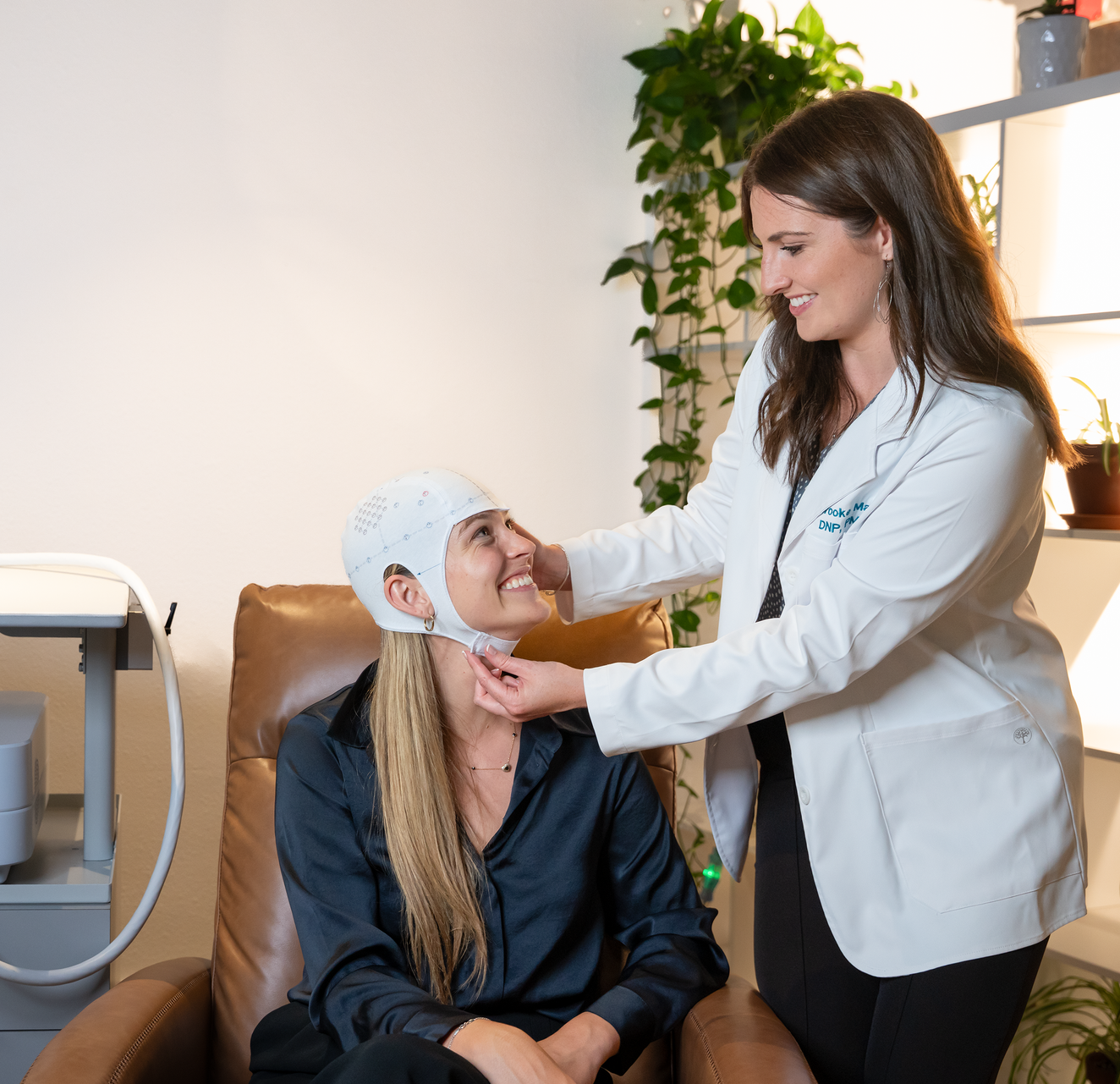
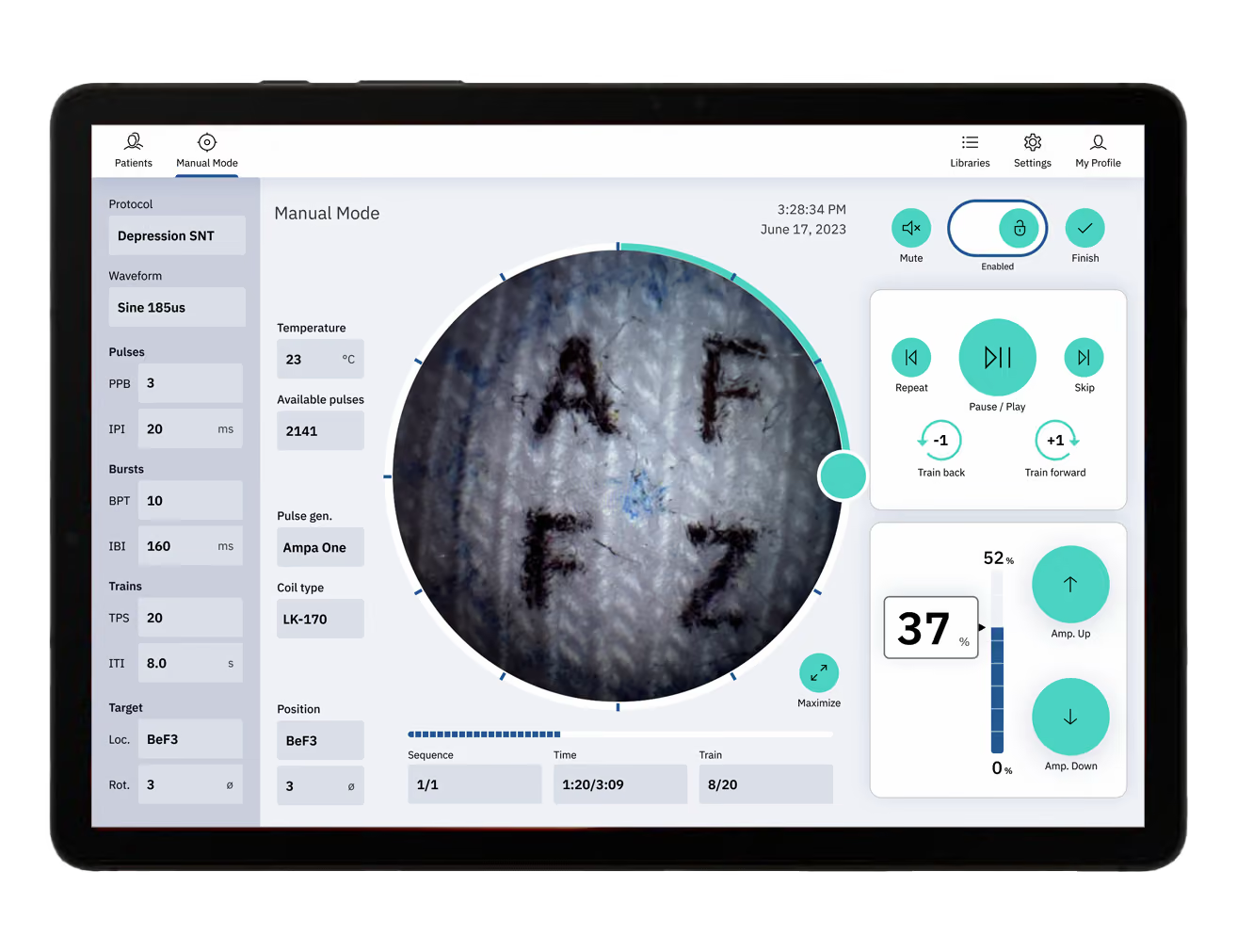
A full evaluation confirms TMS is safe and suitable for you. Your psychiatrist then measures your motor threshold and maps the exact coil position, so your dose and target are set for you before any treatment begins.
In the chair
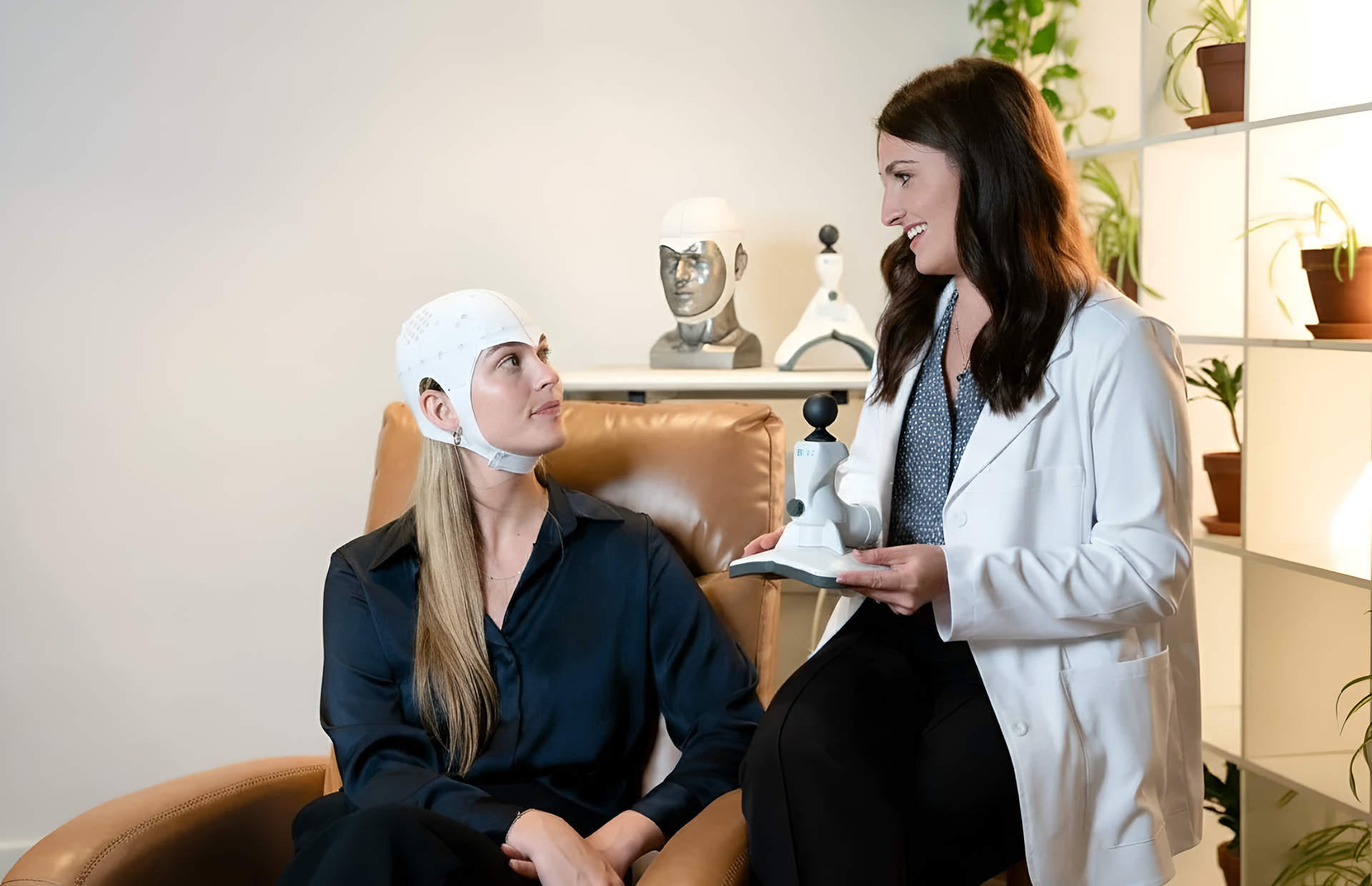
You recline, awake. A clicking sound, a light tapping on the scalp, a few minutes at a time. Read, listen to music, or just sit. Then drive yourself home.
The response builds
TMS isn't an overnight switch. Improvement tends to build over the weeks after your course and settles at its best a month or two later.
Follow-up
Your psychiatrist tracks your progress and adjusts if it stalls. Touch-ups within six months are included.
Is it safe?
Safety, plainly
TMS is well tolerated. The most common side effects are mild and temporary: a headache, some scalp discomfort where the coil sits, or a brief twitch in the muscles of the face during stimulation. These usually ease within the first week or two.
The rare risk
A seizure is possible but very rare - on the order of 0.003% per session, which is why we screen carefully before you start, including any history of seizures and any metal in or near your head.
TMS doesn't require anesthesia, and it isn't ECT.
Keep reading
Where to go next
Is TMS right for you?
The honest way to find out is a short conversation. On a free 10-minute call, a psychiatrist talks through what you've tried and whether TMS is worth pursuing for you - with no obligation to book anything.