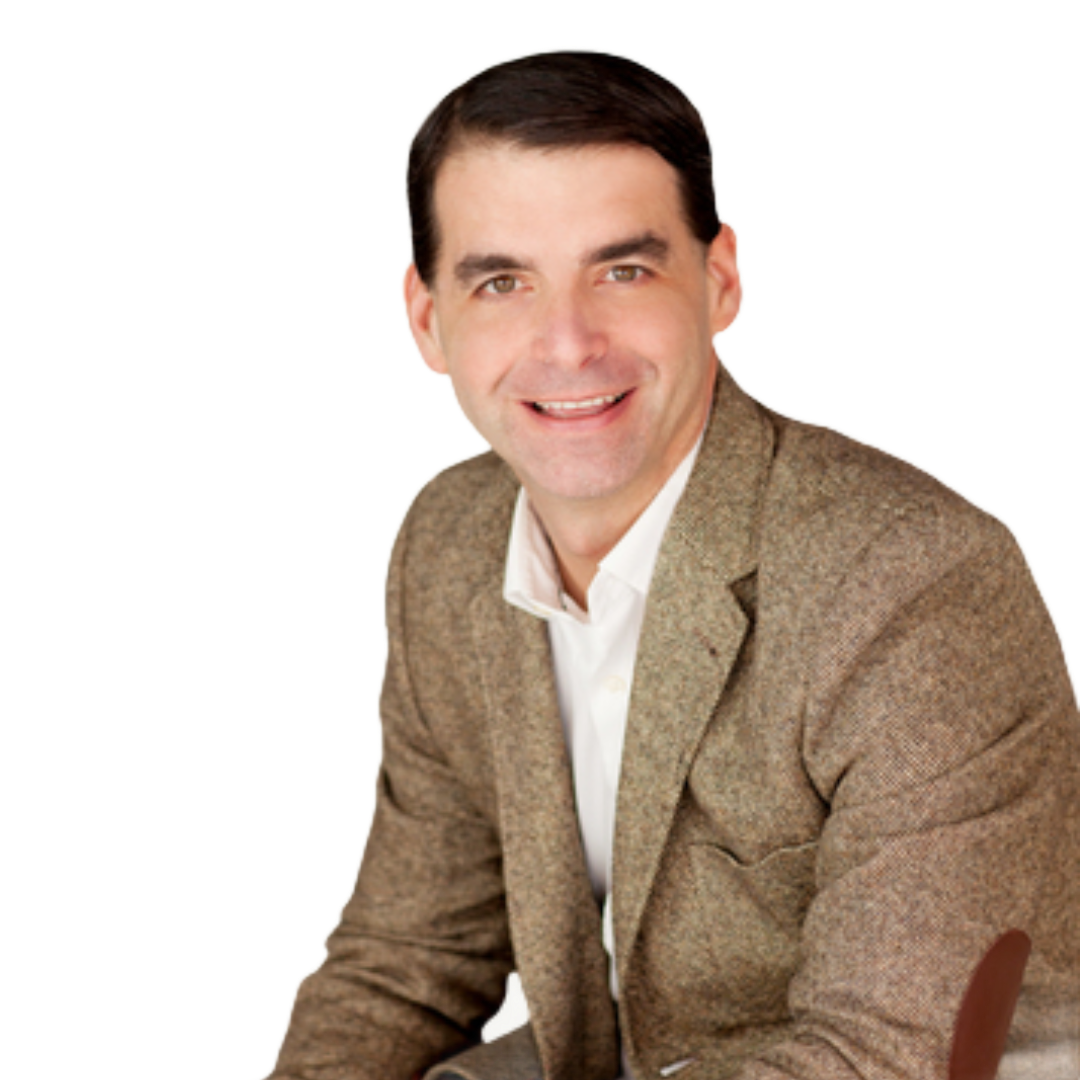
Dr. Charles Shuman
Founder · PsychiatristTrained at Temple University, the University of Florida and the University of Colorado, where he has also taught on the faculty. Founded Confluence in Denver in 2016.

All-inclusive 1-2 day course
Sessions, one a day over 6-8 weeks
Board-certified psychiatrists
Treating patients in Denver since
The short version
The TREATMENT
Standard TMS works, but it asks for 36 visits over six to eight weeks. For a lot of people, that is the whole problem: time away from work, a daily drive, childcare, or simply living too far from a clinic to make it five days a week.
Accelerated TMS delivers the same treatment on a compressed schedule. Instead of one session a day for weeks, you have several sessions a day with rest in between, and the course is finished in days.

Suitability
Accelerated TMS is not right for everyone. We check all of this before anything is booked, and if it is not the right treatment for you, we will say so.
AGES 15 TO 21
TMS is an option for teens whose depression hasn't lifted on antidepressants, running alongside their current care.
Adolescent care is led by Dr. Nandakumar, fellowship-trained in child and adolescent psychiatry.
FDA-cleared as an adjunct treatment for major depressive disorder in patients aged 15 to 21 who haven't responded to prior antidepressant medication.

What happens
Evaluation and mapping
A full evaluation confirms you're a candidate and screens for anything that would make TMS unsafe. Your psychiatrist then finds the exact coil position and sets your stimulation level.
Your course
A reclining chair, a clicking sound, a light tapping. Read, listen to music, or just chat. Then drive yourself home.
Follow-up
Your psychiatrist tracks your progress and adjusts if it stalls. Touch-ups within six months are included.

The equipment
The system we use
A camera keeps the coil in the same spot every session, not by measurement alone. FDA-approved, prescription-only.
Set from your own physiology, not an average.
A few minutes at a time, so the accelerated schedules work.
Your options
Two accelerated schedules
Both are all-inclusive. The standard course is shown for comparison.
A brief intensive, 20 sessions over two days.
The full course in one week instead of six.
A steady, traditional pace - one session a day, spread over six to eight weeks.
Every course includes your evaluation, all follow-up visits, and free touch-up sessions within six months. Not sure which fits? That's what the free call is for.
Pricing
Most clinics bill these separately. Here it is one number.
Being straight with you
If any of that changes how you feel about it, ask on your call. We will give you a straight answer.
Questions
Straight answers to the questions we hear most.
Because it is 20 sessions rather than 36 or 50, and it uses far less clinic time. The price follows the treatment, not the convenience.
Accelerated schedules are used because the research supports them, but the standard six-to-eight-week course remains the most studied. Which one we recommend depends on you, and it is a conversation with your psychiatrist rather than a menu choice. We will not tell you one is better than the other in the abstract.
You arrive in the morning and leave in the evening. A short session roughly every half hour, and the rest of the time is yours. Bring a laptop, a book, or headphones. There are no activity restrictions afterwards.
Yes. There is no anesthesia and no sedation, and you are awake and alert throughout.
Side effects are usually mild and temporary, most often scalp discomfort or a headache, and they are the same ones seen on the standard schedule. Seizure is a very rare risk with TMS on any schedule. Your psychiatrist screens for it before you start and reviews the safety detail with you.
Improvement usually unfolds over the weeks after treatment rather than during it. Finishing in two days does not mean feeling different in two days, and anyone who tells you otherwise is overselling it. Family sometimes spot the change first.
Most patients continue their medication through TMS, and any changes are made by your psychiatrist as part of the evaluation.
Not for TMS. We are self-pay while credentialing goes through. Everything is billed at one flat rate with no hidden fees. If in-network cover is what decides it for you, say so on your call and we will tell you where things stand.
Yes, from 15. Adolescent care is led by Dr. Nandakumar, who is fellowship-trained in child and adolescent psychiatry, so a teenager is assessed by a specialist rather than treated as a smaller adult.
TMS does not work for everyone, and we would rather say that plainly. The free call and the evaluation exist to filter out people who are not good candidates before anyone spends anything. If you complete a course and symptoms return within six months, touch-up sessions are included.
Why us
Two board-certified psychiatrists and a whole practice behind your care, whichever treatment brings you in.

All ages
Children, adults, and teenagers seen by a specialist.

Physician led
board-certified psychiatrist, not a technician or NP.

Seen quickly
A psychiatrist calls back within 24 hours.

Clear on cost
You'll know the cost before you commit.

Care that adapts
The right treatment for you, from a full range.

Whole-picture care
Depression, anxiety, ADHD and addiction, one practice.

Board-certified psychiatrists. One of them will evaluate you and oversee your course personally.

Trained at Temple University, the University of Florida and the University of Colorado, where he has also taught on the faculty. Founded Confluence in Denver in 2016.

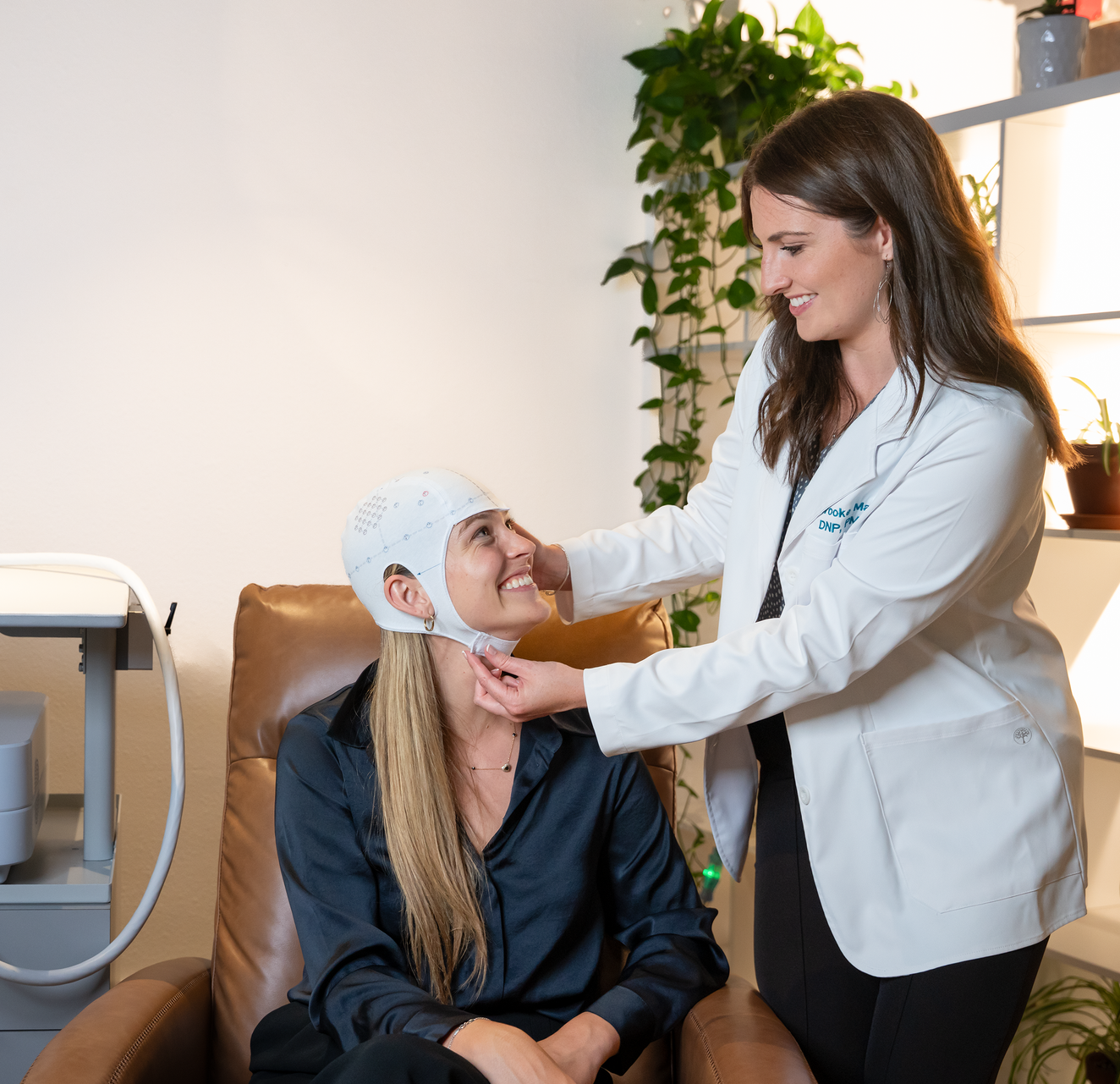
Fellowship-trained in child and adolescent psychiatry, and leads adolescent care at the practice.
Patient stories from Ampa, the TMS system used at Confluence.
Where the difference actually shows.


Ten minutes with a psychiatrist. No charge, no commitment, and an honest answer either way.
Treatments
Quick Links
Contact Us
Hours
Not sure where to start?
Depression, anxiety, OCD, PTSD, bipolar, ADHD, and addiction, and what we'd use for each.
Take the quiz
Ten questions on what you've tried and where you are now.
TALK TO US
Tell us what's brought you here and we'll get back to you, same day, Mon–Fri.